
 Portuguese
In this lesson, we bring you a collection of Portuguese expressions for dining that will be incredibly useful when you venture out to explore the flavors of Portugal.
Whether you need to reserve a table at a restaurant in Lisbon, ask about ingredients, or simply say thank you after a dining experience that leaves you smiling from ear to ear, here you’ll find the phrases you need.
Portuguese Food Vocabulary
Let’s start with some basic and essential vocabulary that will help us order the dish we prefer at any given moment. A selection of fruits, vegetables, meat, and fish.
Fruits and Vegetables
| English | Portuguese |
|---|---|
| Pineapple | Abacaxi |
| Lettuce | Alface |
| Plum | Ameixa |
| Beetroot | Beterraba |
| Carrot | Cenoura |
| Pea | Ervilha |
| Watermelon | Melancia |
| Apple | Maça |
| Mandarin | Tangerina |
Meat and Fish
| English | Portuguese |
|---|---|
| Seafood | Frutos do mar |
| Fish | Peixe |
| Cod | Bacalhau |
| Breaded Grouper | Garoupa à milanesa |
| Baked Sea Bass | Robalo grelhado |
| Salmon | Salmão |
| Sirloin | Lombo |
| Chicken | Frango |
| Veal | Carne de vitela |
Portuguese Expressions
Portuguese Expressions for Enjoying a Restaurant Experience
When we go out to eat, there are many situations where a few key phrases in Portuguese can make all the difference.
From making a reservation to asking for recommendations about the dishes, these expressions will help you feel more confident and enjoy your culinary experience in Portugal. Here are some of the most common ones:
Making a Reservation: This phrase is perfect for securing a spot at your favorite restaurant.

Eu gostaria de reservar uma mesa para [number of people] às [time].


I would like to reserve a table for [number of people] at [time].
Upon Arriving at the Restaurant: Simple and direct, ideal for when you do not have a reservation.
Uma mesa para [number of people], por favor.
A table for [number of people], please.
To Start Choosing: A polite way to ask for the menu and begin exploring the options.
Você pode nos trazer o cardápio?
Could you bring us the menu?
Asking for Recommendations: A great way to discover the restaurant’s signature dishes.
Quais são as especialidades da casa?
What are the house specialties?
Placing a Specific Order: Essential for meat lovers who prefer a specific level of doneness.
Eu gostaria de um bife malpassado.
I would like a rare steak.
Você pode embrulhar a sobra para viagem?
Could you wrap up the leftovers to take away?
Taking Leftovers Home: Don’t let a good meal go to waste; ask to take home anything you can’t finish.
Portuguese Expressions for Allergies and Dietary Restrictions
When it comes to allergies or dietary restrictions, communicating clearly in a restaurant is crucial. These Portuguese expressions will help you avoid any problems and ensure that your dining experience is both safe and enjoyable.
For Vegetarian Options: A simple phrase for those who prefer meat-free dishes.
Eu gostaria de um prato vegetariano.
I would like a vegetarian dish.
For Gluten-Free Needs: Essential for those following a gluten-free diet.
Vocês têm opções sem glúten?
Do you have gluten-free options?
For Diabetics: An important question for those who need to monitor their sugar and carbohydrate intake.
Eu tenho diabetes. Esse prato contém açúcar ou carboidratos?
I have diabetes. Does this dish contain sugar or carbohydrates?
To Avoid Specific Ingredients: Useful for excluding specific ingredients due to personal preferences or dietary restrictions.
Eu não como ___. Esse prato contém ___?
I don’t eat ________. Does this dish contain any __________?
In Case of Emergency: A vital phrase to inform others about your condition and the location of your medication in case of an emergency.
Sou alérgico. Caso eu tenha alguma reação há medicamento no meu bolso/bolsa!
I am allergic. If I have a reaction, my medication is in my bag/pocket.
These expressions are key tools to ensure that your dietary needs are understood and respected, allowing you to enjoy Portuguese food with peace of mind and confidence.
Allergens
| English | Portuguese |
|---|---|
| Milk | Leite |
| Dairy products | Laticínios |
| Flour | Farinha |
| Eggs | Ovos |
| Corn | Milho |
| Mushrooms | Cogumelos |
| Crustaceans and mollusks | Mariscos |
| English | Portuguese |
|---|---|
| Nuts | Nozes |
| Sesame seeds | Semente de gergelim |
| Hazelnuts | Avelãs |
| Peanuts | Amendoins |
| Lupins | Tremoços |
| Mustard | Mostarda |
| Alcohol | Álcool |
Portuguese Expressions for Expressing Dissatisfaction or Gratitude in Restaurants
Sometimes, you may need to express a concern or, on the contrary, show your appreciation for an exceptional meal. Here are some useful phrases in Portuguese to handle these situations politely and effectively.
When the Food Isn’t Cooked to Your Liking: A direct yet polite way to point out if your dish has not arrived in the best condition.
A massa está muito al dente.
The pasta is too al dente.
If the Wait Is Long: Useful for reminding the staff about your order if the wait has become too long.
Nós pedimos há mais de 30 minutos.
We ordered more than 30 minutes ago.
When the Order Is Incorrect: It is important to be clear and specific if you have been served the wrong dish.
Eu não pedi isso, eu pedi ___.
I didn’t order this, I ordered ____.
If Something Is Missing from Your Order: A polite way to point out that one of the dishes you ordered has not been served.
Está faltando um prato.
One dish is missing.
To Compliment the Food: An expression of appreciation that is always well received and shows your gratitude for the meal.
A comida estava deliciosa!
The food was delicious!
To Compliment the Chef: A charming phrase to express your admiration for the chef’s skill.
Meus cumprimentos ao chef!
My compliments to the chef!
Traditional Portuguese Dishes: A Culinary Journey
Now that you know a whole arsenal of Portuguese expressions for dining out, I recommend exploring Portugal’s traditional dishes to complete your culinary experience.
I invite you to discover these dishes and their ingredients so that your taste buds can enjoy them like never before. They are truly delicious!
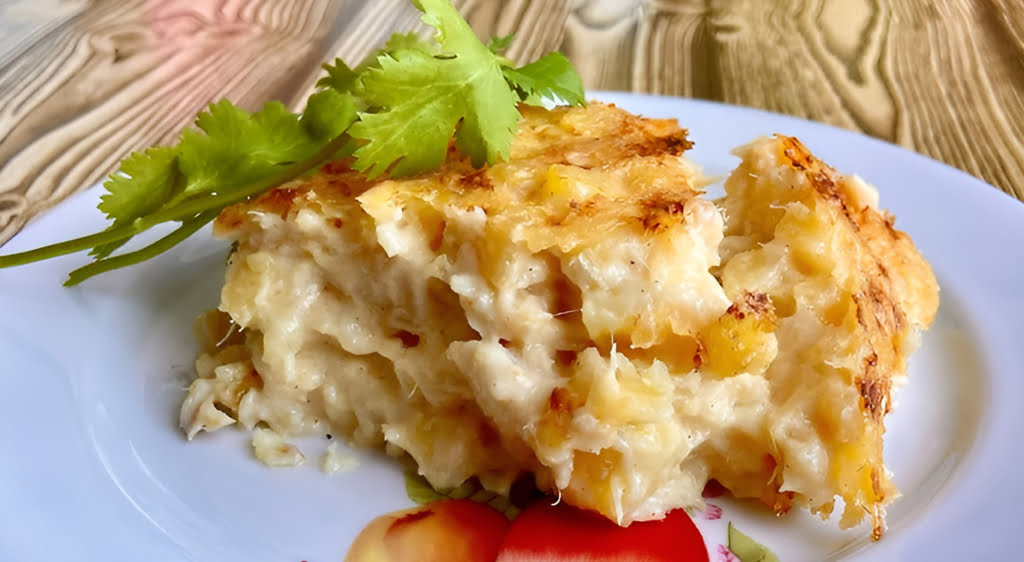
Bacalhau com Natas
In Portugal, cod is much more than just a fish; it is a true culinary institution. It is said that there are as many cod recipes as there are days in the year, and “Bacalhau com Natas” is one of the most exquisite.
This dish combines shredded cod with a creamy cream sauce, often baked until it develops a golden and crispy topping. It is a gastronomic experience you simply cannot miss.
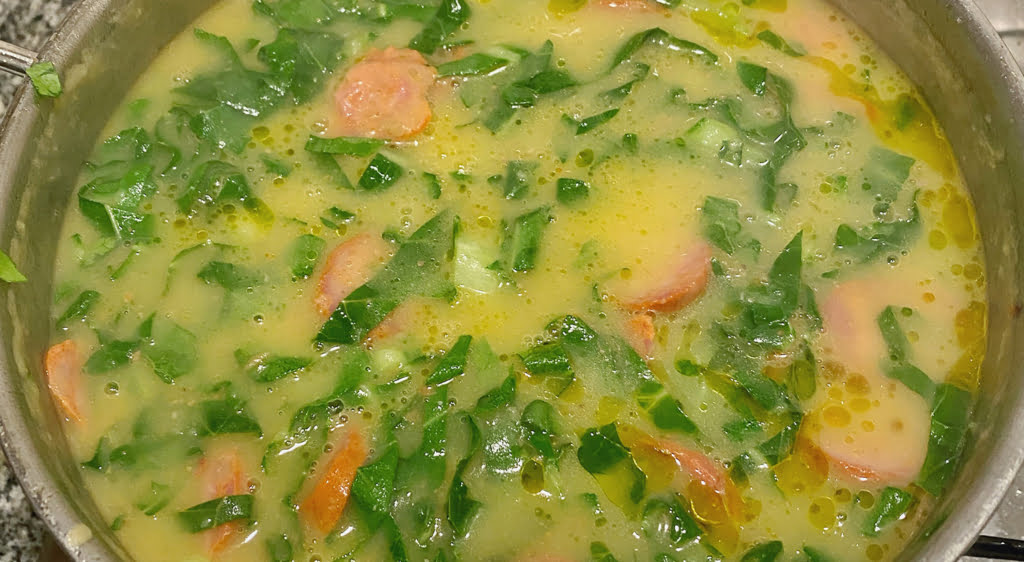
Caldo Verde: A Classic of Portuguese Cuisine
A very famous soup, typical of northern Portugal, is the green cabbage soup known as caldo verde. It is made with a thick onion and potato purée base, topped with finely sliced green cabbage and finished with a piece of smoked sausage for an extra smoky touch.
It is a rustic delight that captures the essence of Portuguese cuisine in every spoonful.
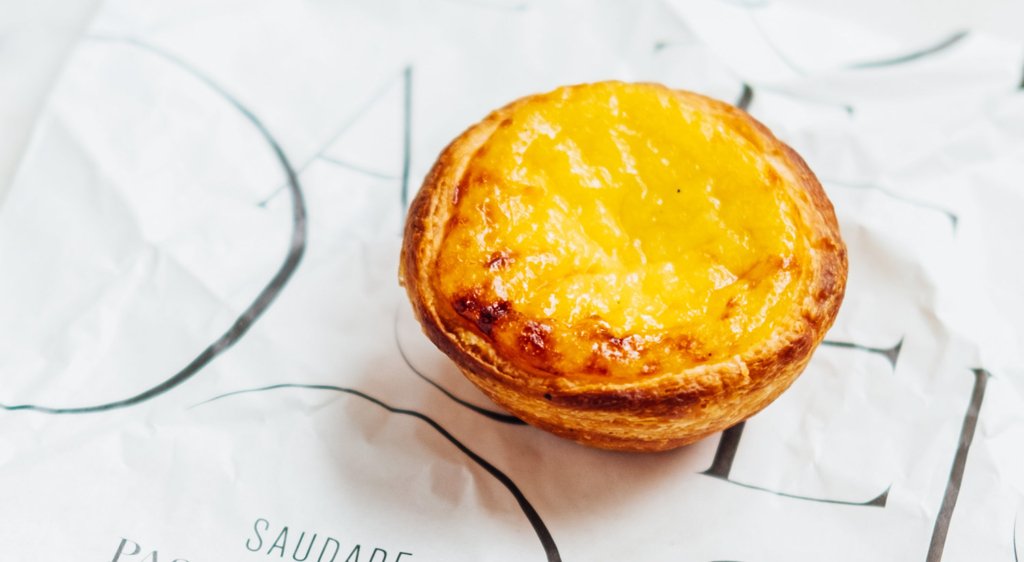
Pastéis de Nata: An Essential Sweet Treat
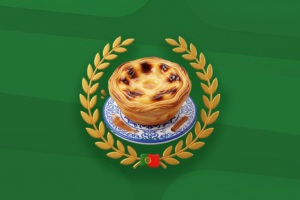
“Pastéis de Nata” are a true delight of Portuguese pastry-making. These small custard tarts are baked until the egg custard on top caramelizes, creating a golden and slightly crispy layer. This crunchy texture contrasts wonderfully with the smooth cream filling inside.
They are usually served dusted with powdered sugar and cinnamon, adding extra aroma and flavor to the recipe.
The most famous are the “Pastéis de Belém“, originating from a renowned pastry shop in Lisbon, where their secret recipe attracts visitors from all over the world.
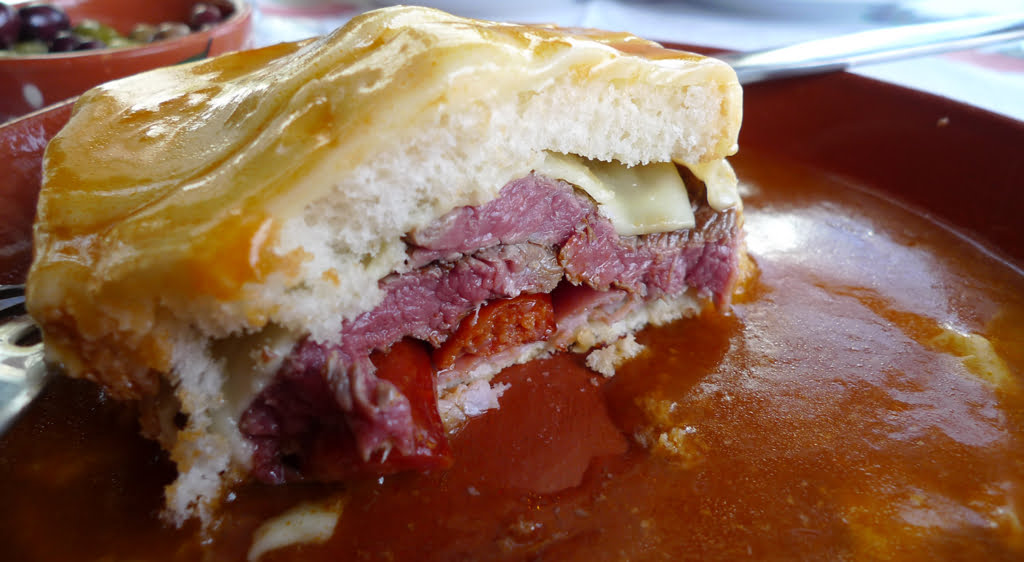
Francesinha: Portugal’s Iconic Sandwich
The most famous sandwich in Portugal. It is advisable to have a good appetite before tackling a Francesinha due to its high calorie content. Take note: its main ingredients are two slices of bread filled with steak, cooked ham, sausages, and chorizo (usually linguiça, a traditional Portuguese sausage).
As if that were not enough, it is covered with melted cheese and drenched in a beer and tomato sauce, among other ingredients.
In some restaurants, it is topped with a fried egg and served with fries on the side. The creator of this incredibly tasty indulgence was Daniel David Silva, a chef who had worked in Belgium and France and, after returning to Porto, created his own version of the famous French sandwich, the “Croque-Monsieur”.
Resources

Portuguese Vocabulary
Reference Sheet with Portuguese Food Vocabulary – Beginner Level
15Kb
Exercises
Flashcards
Cargando flashcards…
REmember !!
Si quieres seguir aprendiendo portugués sigue nuestras clases online. Publicamos semanalmente y si lo que quieres es dar un salto de nivel empieza uno de nuestro cursos gratuitos de portugues.



.jpg)