Are you planning a trip to China, or are you simply passionate about the country’s culinary culture? You’re in the right place. In this lesson, you’ll discover Chinese expressions for eating and dining that will open the doors to an authentic culinary experience.
Whether you need to reserve a table, ask about specific ingredients due to allergies, or simply compliment a delicious dish, we’ve got you covered!
Understanding how to place an order properly, ask about ingredients, and express your preferences will help ensure that you get exactly what you expected, avoiding awkward moments or unexpected dishes.
Chinese vocabulary in the culinary world
Before jumping into complete phrases, let’s build a solid foundation. Here is a selection of food-related vocabulary; from fruits and vegetables to meat and fish, these terms will be essential as you explore the diverse world of Chinese expressions for eating and dining.
Fruits and vegetables
| English | Chinese |
|---|---|
| Apple | 苹果 (píngguǒ) |
| Orange | 橙子 (chéngzi) |
| Banana | 香蕉 (xiāngjiāo) |
| Pineapple | 菠萝 (bōluó) |
| Potato | 土豆 (tǔdòu) |
| Tomato | 西红柿 (xīhóngshì) |
| Grape | 葡萄 (pútáo) |
| Mushroom | 蘑菇 (mógū) |
| Watermelon | 西瓜 (xīguā) |
| Onion | 洋葱 (yángcōng) |
Meat and fish
| English | Chinese |
|---|---|
| Tuna | 金枪鱼 (jīn qiānɡ yú) |
| Fish | 鱼 (yú) |
| Cod | 鳕鱼 (xuĕ yú) |
| Salmon | 三文鱼 (sān wén yú) |
| Shrimp | 虾 (xiā) |
| Duck | 鸭肉 (yā ròu) |
| Ham | 火腿 ((huŏ tuĭ)) |
| Beef | 牛肉 (niú ròu) |
| Sausage | 香肠 (xiānɡ chánɡ) |
| Chicken | 鸡肉(jīròu) |
Chinese expressions for ordering food
Reserving a table:
For [number of people] at [time]: 我想预订一个在_[就餐时间]的[人数]人的桌子。(wǒ xiǎng yùdìng yīgè zài [jiùcān shíjiān] _ de _ [rénshù] _rén de zhuōzi.)
Common requests:
Another beer, please? 你可以给我拿一瓶啤酒吗?(Nǐ néng zài gěi wǒ yībēi píjiǔ ma?)
I would like… (dish name): 我想要… (Wǒ xiǎng yào…)
Menu questions:

今日特餐是什么?(Jīnrì tècān shì shénme?)


What is today’s special?
你推荐什么?(Nǐ tuījiàn shénme?)
What do you recommend?
有素食选项吗?(Yǒu sùshí xuǎnxiàng ma?)
Are vegetarian options available?
Allergies, intolerances, and/or preferences:
I am allergic to ___. Does this dish contain ___?: 我对____过敏。这里包含____吗?(wǒ duì ____ guòmǐn. zhè li bāohán ____ ma?)
I don’t want spicy food. – 我不要辣。 (Wǒ bù yào là.)
Drinks and extras:
Do you have green tea? – 你们有绿茶吗? (Nǐmen yǒu lǜchá ma?)
Can I have water without ice? – 我可以要一杯没有冰的水吗? (Wǒ kěyǐ yào yībēi méiyǒu bīng de shuǐ ma?)
Chinese expressions for paying the bill
我来付 (Wǒ lái fù)
I’ll pay.
我们分开付款 (Wǒ men fēn kāi fù kuǎn)
We would like to pay separately.
请开账发票? (Qǐng kāi zhāng fā piào?)
Could I have the receipt, please?
用卡可以吗? (Yòng kǎ kěyǐ ma?)
Can I pay by card?
不用找了。(bùyòng zhǎole.)
Keep the change.
太美味了!(tài měiwèile!)
The food was delicious!

Traditional Chinese dishes
Now that you have this complete set of Chinese expressions for dining, the only thing left is to learn about some of the country’s traditional dishes to enjoy a truly authentic experience.
Chinese cuisine is renowned for its iconic sauces and spices, setting trends in gastronomy around the world. Discover this rich culinary tradition and let yourself be captivated by its flavorful dishes. A unique dining experience awaits!
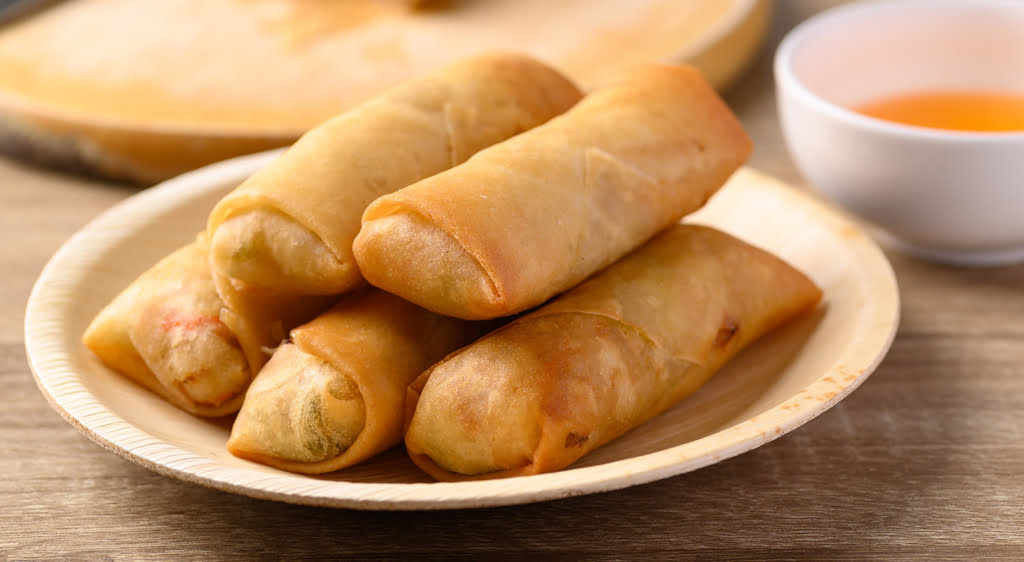
Spring Roll
It is a pastry roll filled with various julienned vegetables and minced meat. Originally, it contained only fresh bamboo shoots, but over time more vegetables were added to the filling.
The spring roll originated during the Tang Dynasty (618–907). During this period, when celebrating the Spring Festival, people prepared thin crepes and filled them with vegetables and fruits.
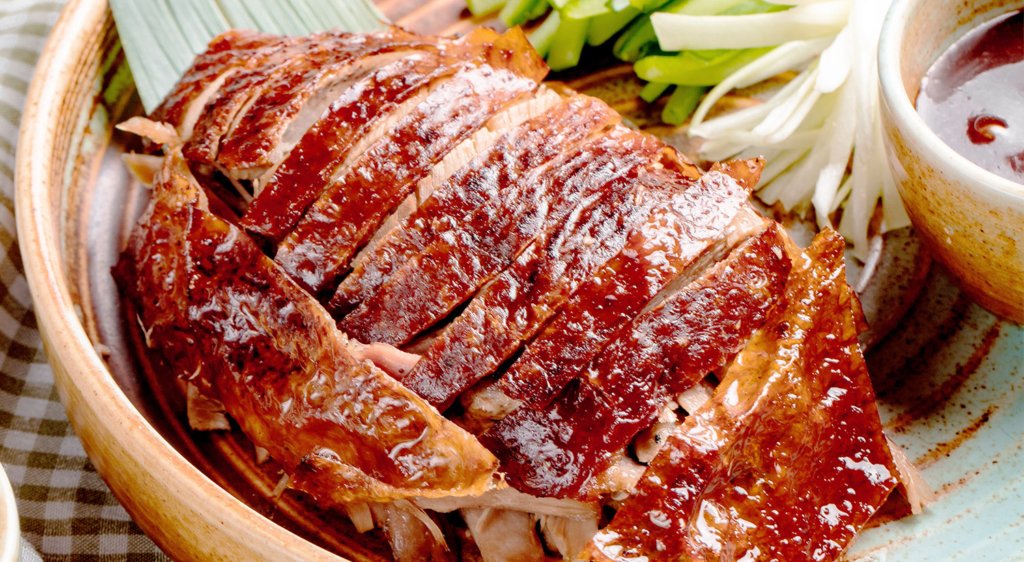
Peking Duck
Considered one of China’s traditional dishes, it originated in the country’s capital. Preparing this dish takes time, but the result is crispy and flavorful.
As an interesting fact, the duck used for this dish must weigh more than 3 kilograms (an essential requirement). It is traditionally served in two stages: first, the crispy skin is presented on a plate. Then, slices of meat are served separately and eaten with sweet bean sauce wrapped in a thin pancake.
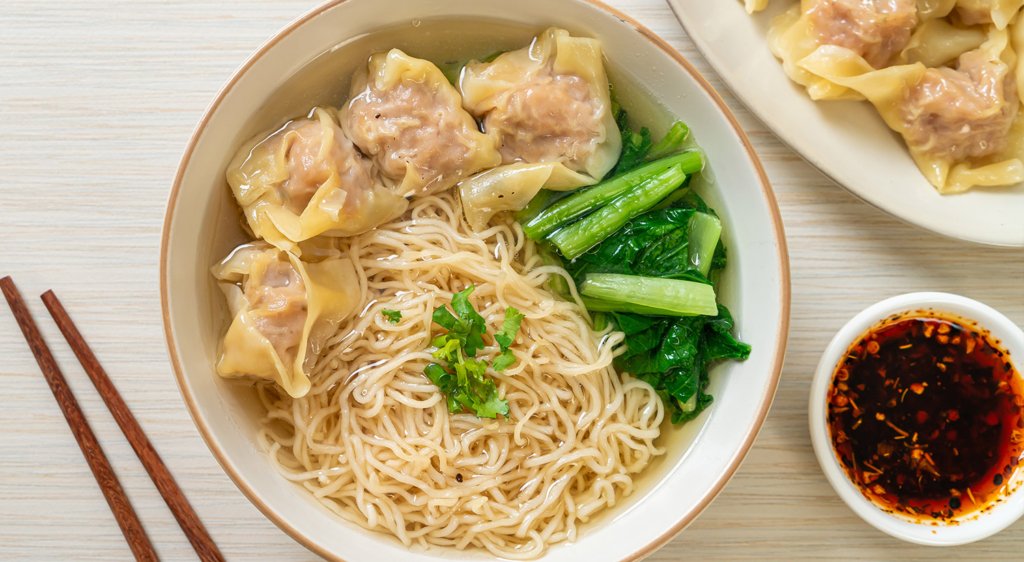
Wonton Soup
Wonton soup is a traditional Chinese soup often considered an autumn dish. Its name means “swallowing clouds,” referring to the shape of the wontons inside (small wheat-flour dumplings typically filled with pork, shrimp, and vegetables). It is usually served with very thin noodles and green onions.
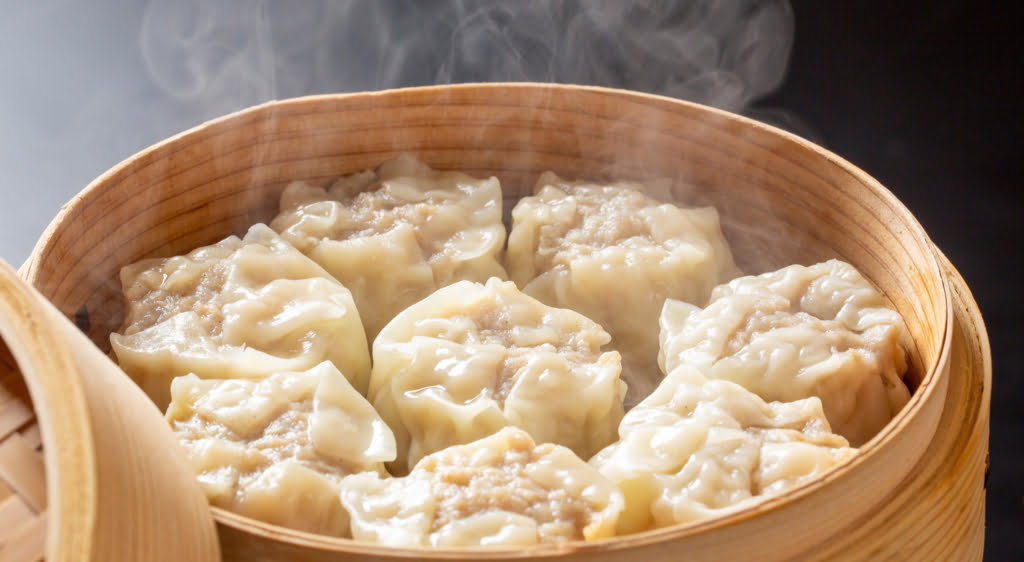
Dim Sum
Dim Sum is a dish originating from Cantonese cuisine, and its name can be translated as “touch the heart.” It is usually served in portions of three or four pieces.
There are many variations, but the traditional version includes a variety of steamed buns, small bites of dough and rice rolls. Fillings may include beef, chicken, pork, shrimp, or vegetables.
The next time you step into a Chinese restaurant, take your dining experience to the next level!
Using your knowledge of the Chinese language will not only allow you to enjoy the food, but also to connect more authentically with the culture.
With every word and expression, you will not only be ordering a dish, but also showing respect and appreciation for the culinary traditions presented before you.
So get ready for a feast for both your taste buds and your adventurous spirit! 🥢🍲
Exercises
Match the words